


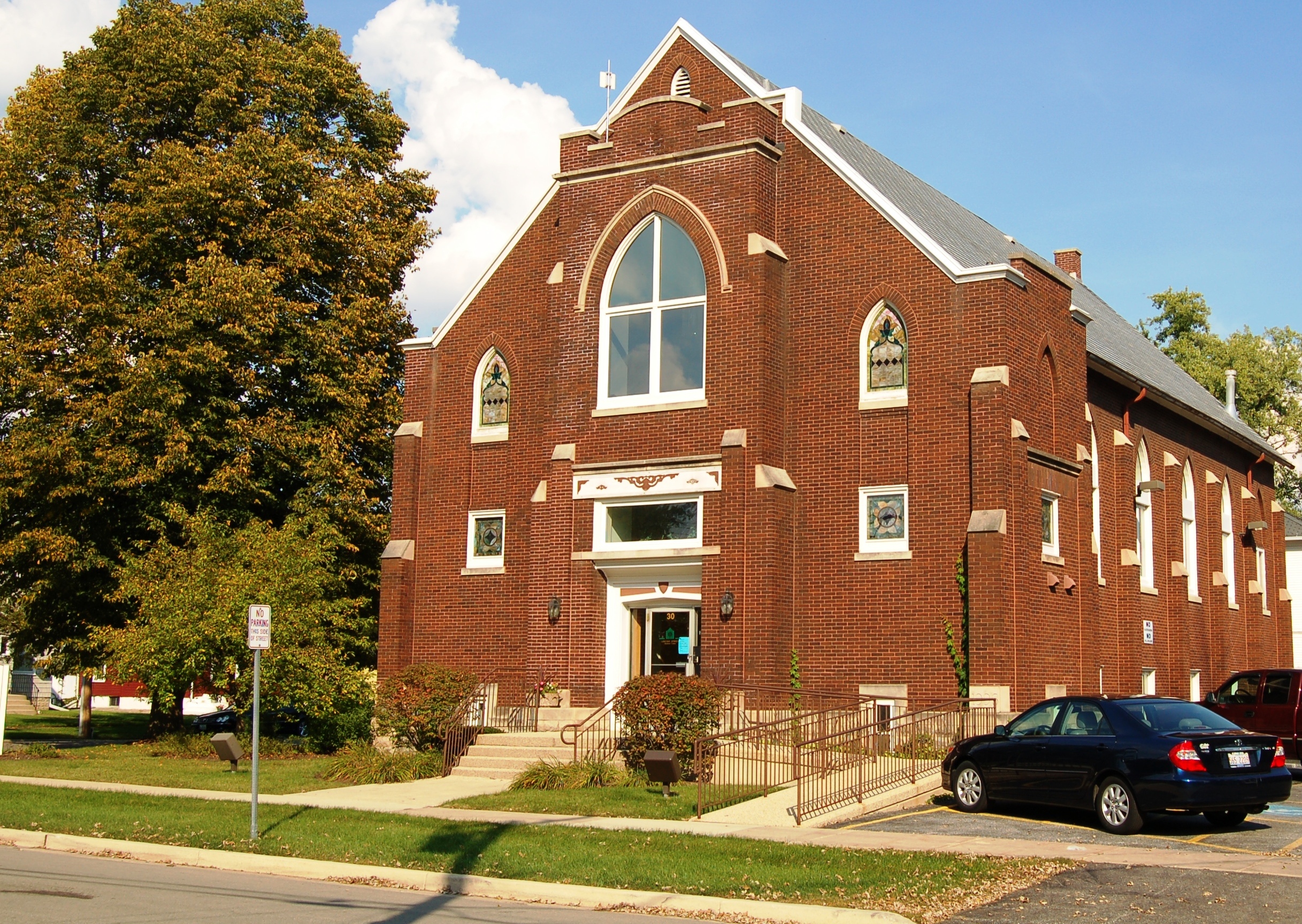
Downtown Batavia is rich with architectural heritage, but few buildings tell a story as multilayered—and as visually striking—as the structure at 30 N Lincoln Street, now known as the Lincoln Atrium. What many locals recognize today as a distinctive office building filled with sunlight once served as a spiritual and cultural anchor for Batavia’s growing Swedish immigrant population.
A 19th‑Century Beginning (1878): A Church for a Growing Swedish Community
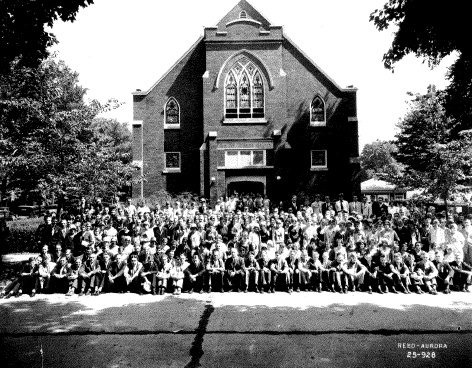
The building at 30 N Lincoln began its life in 1878 as the Swedish (Mission) Covenant Church. This congregation emerged during a period when Batavia saw substantial Swedish immigration, part of a national wave that shaped many Midwestern cities. The area around Lincoln, Houston, and Wilson Streets quickly became a neighborhood of closely‑situated churches that served linguistic and cultural communities.
The Swedish Covenant movement itself was rooted in 19th‑century spiritual revival and dissent in Sweden. Immigrants brought this tradition to America, ultimately formalizing into the Evangelical Covenant Church in 1885—a denomination that took strong hold in Illinois.
Historical surveys show that the Houston & Lincoln intersection—where the church stood—was a hub of religious life. In fact, earlier churches such as Calvary Episcopal also occupied this same corner before being destroyed by a tornado in the mid‑1800s. This concentration of churches paints a vivid picture of how central religious institutions were in early Batavia.
The Swedish Covenant Church distinguished itself with brick construction, arched windows, and stained‑glass details—features still recognized in the building today.
How We Know: Sanborn Fire Maps & Archival Records
The building’s identity and footprint appear repeatedly in Sanborn Fire Insurance Maps—the 19th‑century equivalent of municipal X‑rays. Editions from 1885, 1891, 1897, 1907, and 1916 map the Lincoln–Houston block and label its structures, making them invaluable for architectural and ownership verification.
These maps help confirm:
Researchers can find complementary information in documents, which track property transfers and renovation filings.
A New Chapter: From Church to the Lincoln Atrium (1996)
After serving generations of worshippers, the Swedish Covenant congregation eventually relocated, and the building transitioned into private ownership.
In 1996, the structure underwent a major adaptive reuse renovation—transforming it into a contemporary office center while conserving its historic character.
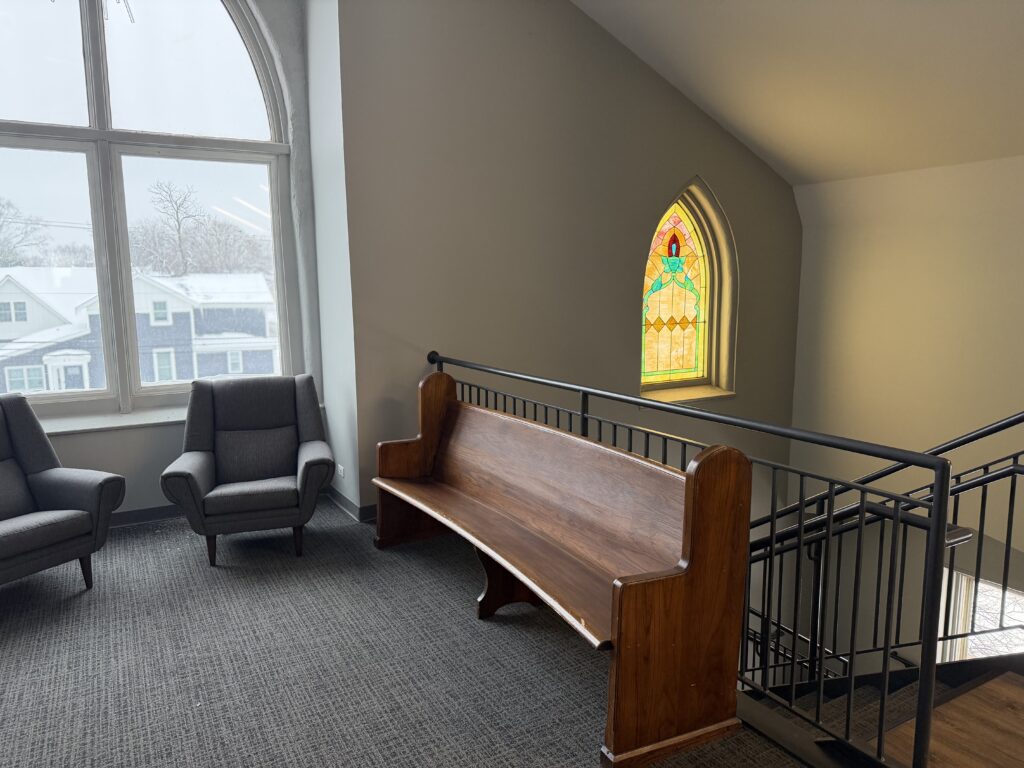
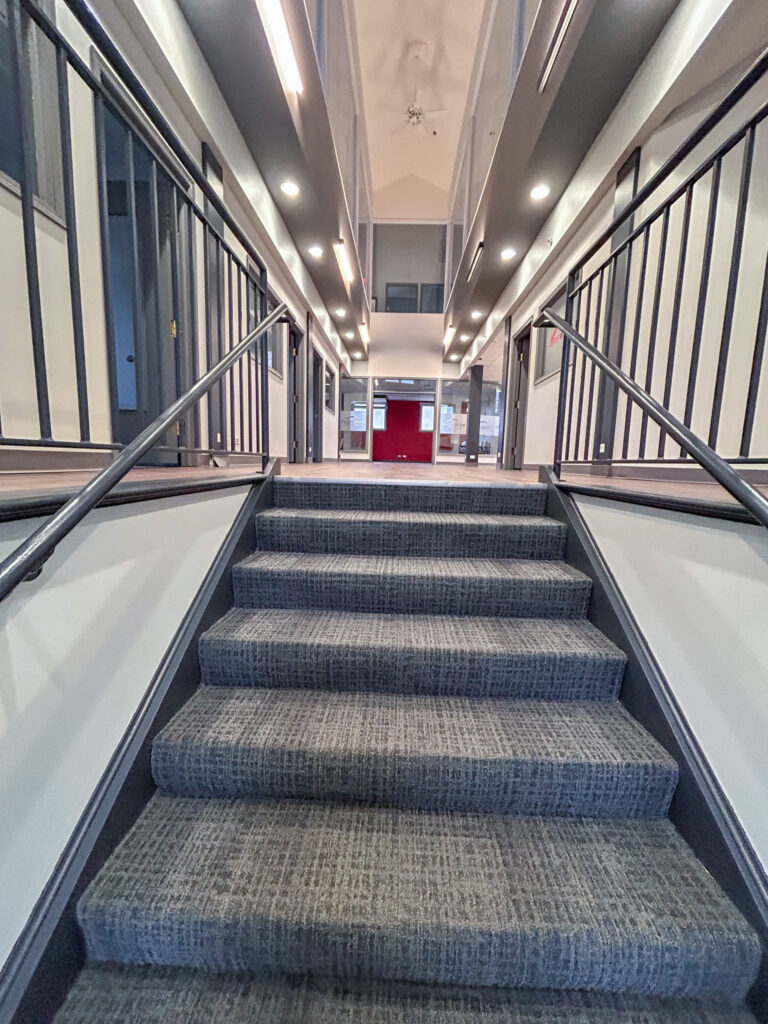
The renovation was widely praised for its architectural sensitivity—preserving original stained glass, brickwork, and soaring vertical spaces.
Recent Years: Headquarters to High Wire Networks
In 2017, the building found new life again when High Wire Networks, a global technology services company, established its headquarters in the newly‑named Lincoln Atrium Business Center. Notably, High Wire preserved the building’s defining historic features, including its atrium and stained‑glass windows.
This modern business presence underscores the building’s successful transition from a 19th‑century immigrant church to a 21st‑century innovation hub. High Wire Networks recently vacated the building at the end of 2025 leaving a move-in ready space for another innovative company to occupy.
Why This Building Matters
30 N Lincoln isn’t just an attractive adaptive‑reuse project. It represents:
1. Batavia’s Swedish Immigrant Legacy: The building reflects a cultural history shared by many families whose ancestors shaped the Fox Valley.
2. Architectural Preservation Done Right: By retaining exterior character and interior features, the Lincoln Atrium stands as a model for reusing historic buildings with respect and creativity.
3. A Living Downtown Landmark: Today the structure contributes to Batavia’s walkable, historically rich downtown landscape—just as it did nearly 150 years ago.
Where to Learn More:
If you’re interested in digging deeper into this building’s history or conducting similar property research, excellent local resources include:
Closing Thoughts
The Lincoln Atrium at 30 N Lincoln Street is more than an office building—it’s a bridge across centuries. Its walls have heard Swedish hymn‑singing, witnessed the evolution of a community, survived the challenges of time, and now house cutting‑edge technology professionals. It is one of Batavia’s quiet treasures: historic, resilient, and beautifully reimagined.
